



Science in Action!
"Working scientifically is the lifeblood of each and every area of science subject matter, and is what gives life and sustenance to learning new knowledge and developing understanding within Science. It is a large part of the science curriculum and is embedded throughout all the topics."
Science in Action at St. Michael Catholic Primary and Nursery School
Welcome to Science in Action at St. Michael Catholic Primary and Nursery School!
We are committed to making science an exciting and engaging part of our students' learning journey. Our curriculum encourages children to explore, experiment, and discover the world around them through hands-on activities and interactive lessons. Whether it's investigating the natural world, experimenting with materials, or delving into the mysteries of space, we aim to spark curiosity and inspire a lifelong love of science.
At St. Michael's, science is not just a subject; it's an adventure in learning that promotes critical thinking, creativity, and problem-solving skills. Come join us as we make science come to life for all our pupils!
Our School's Science Vision

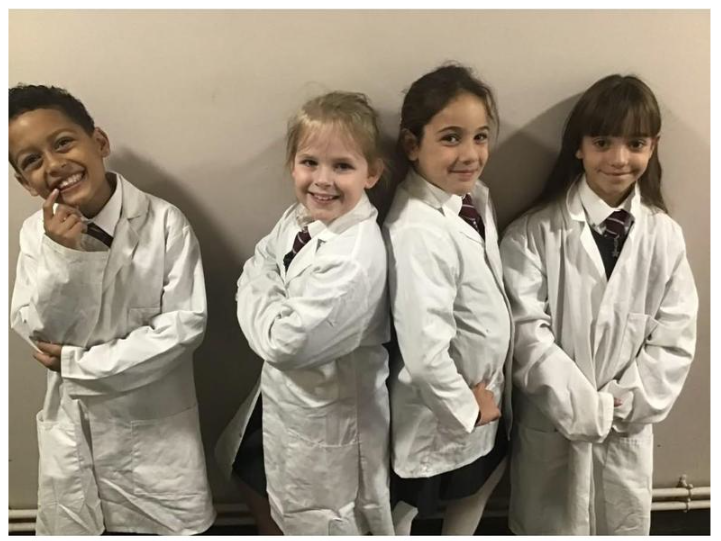
Meet our brilliant Year 4 and 5 Science Ambassadors!
They’ll be popping up around the playground with quick-fire experiments, science challenges and competitions. Through enquiry types such as observing changes, exploring patterns and testing ideas, they’ll help everyone discover the fun behind the science. Watch out for their next experiment!
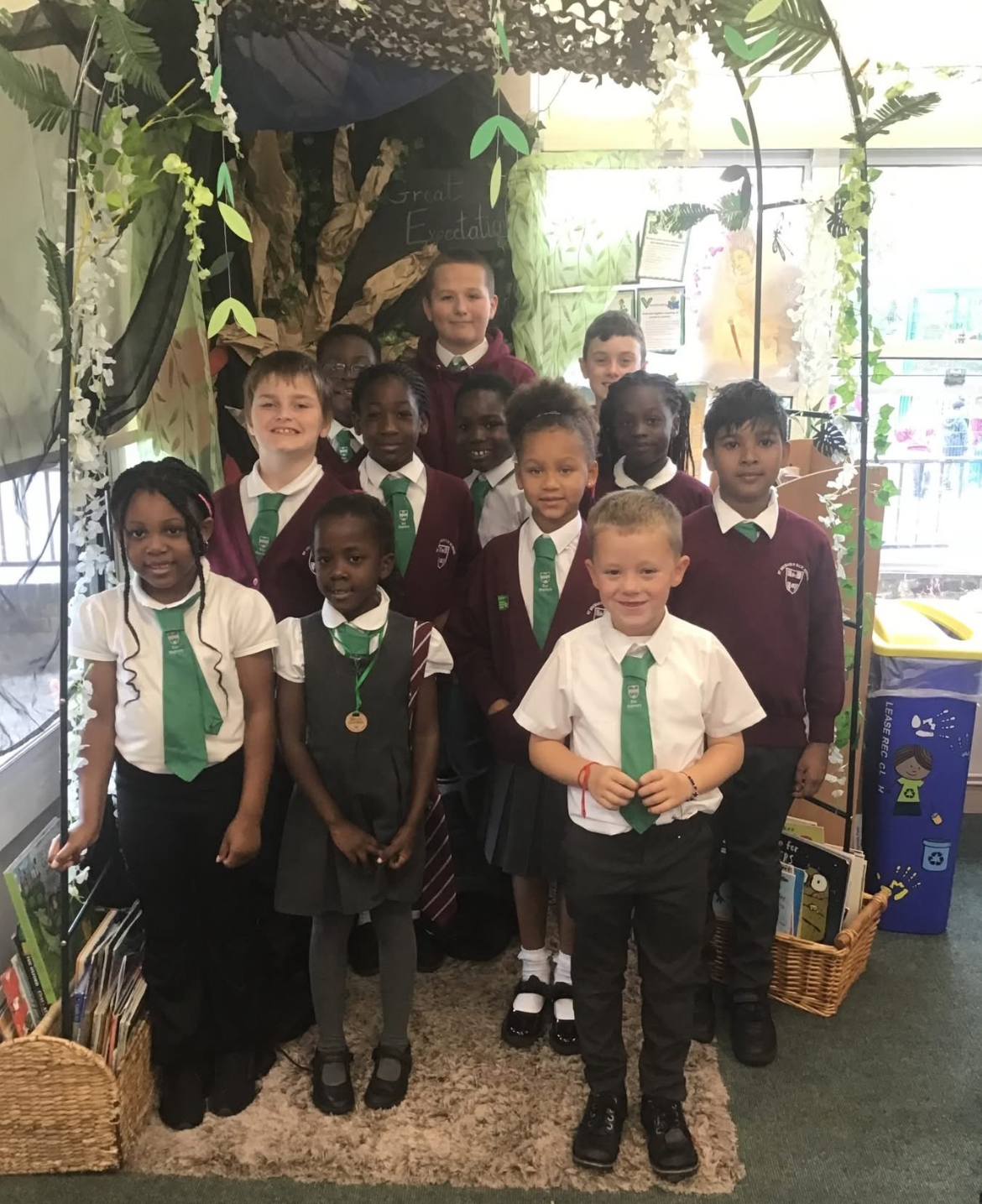
🌿🌟 Meet Our Eco Warriors! 🌟🌿
We are thrilled to introduce our new Eco Warriors, a team of enthusiastic pupils dedicated to caring for our school environment and promoting sustainability!
The Eco Warriors will be taking on a variety of exciting responsibilities, including:
-
Recycling and waste reduction initiatives around the school
-
Caring for our school grounds and wildlife
-
Raising awareness about environmental issues with their peers
-
Planning eco-friendly projects and campaigns
These pupils are passionate about making a difference and inspiring others to think carefully about how we can look after our planet. They will be working together to develop ideas, solve problems, and put their plans into action – practicing teamwork and leadership while learning important life skills.
We are very proud of our Eco Warriors and can’t wait to see the positive impact they will have on our school community and the wider world! 🌱
#EcoWarriors #Sustainability #Teamwork #SchoolEcoProjects
🔬🧲📸🌼🌞Competition Time! 🌱🐦🐝🧪
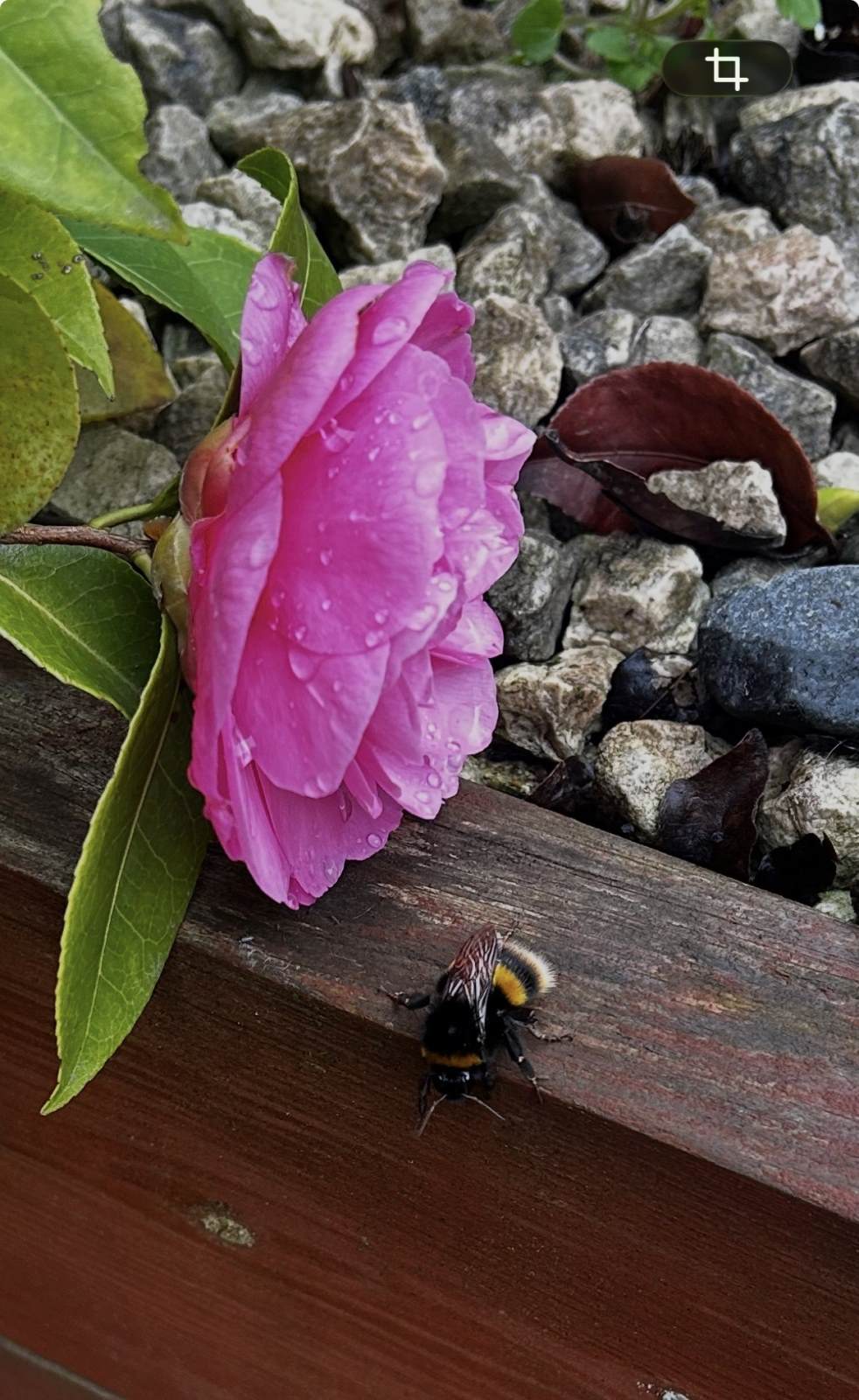
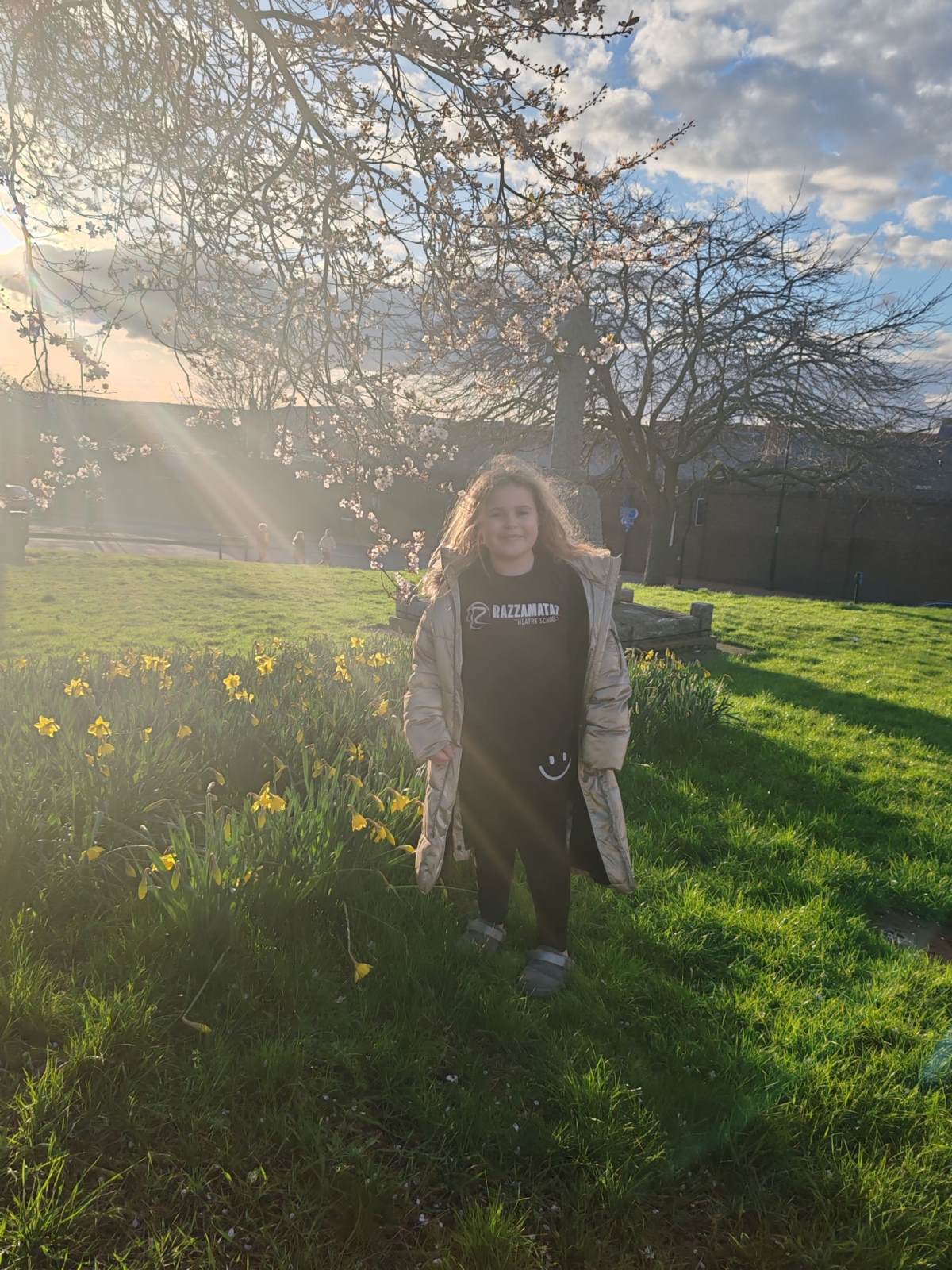
📸🌼 Capture the Signs of Spring! 🌼📸
We are excited to launch our “Signs of Spring” Photo Competition! This is a wonderful opportunity for our pupils to explore the world around them, get creative, and showcase their photography skills.
Children are invited to capture any signs of spring they notice – from blooming flowers and budding trees to wildlife, sunny skies, or anything that shows the season changing.
How to enter:
-
Submit your photos to the school office FAO Mrs Sliney
-
Deadline: Friday 27th March
This activity encourages pupils to practice important scientific skills like observing carefully, noticing patterns, and recording what they see – all while developing their creativity and curiosity.
We can’t wait to see the amazing springtime photos from our budding photographers! 🌷📷
#ScienceSkills #SignsOfSpring #Creativity #Observation
Science in Action
Online Science Day 2026
🦴👩🔬🌟 How strong is a backbone? 🌟👩🔬🦴
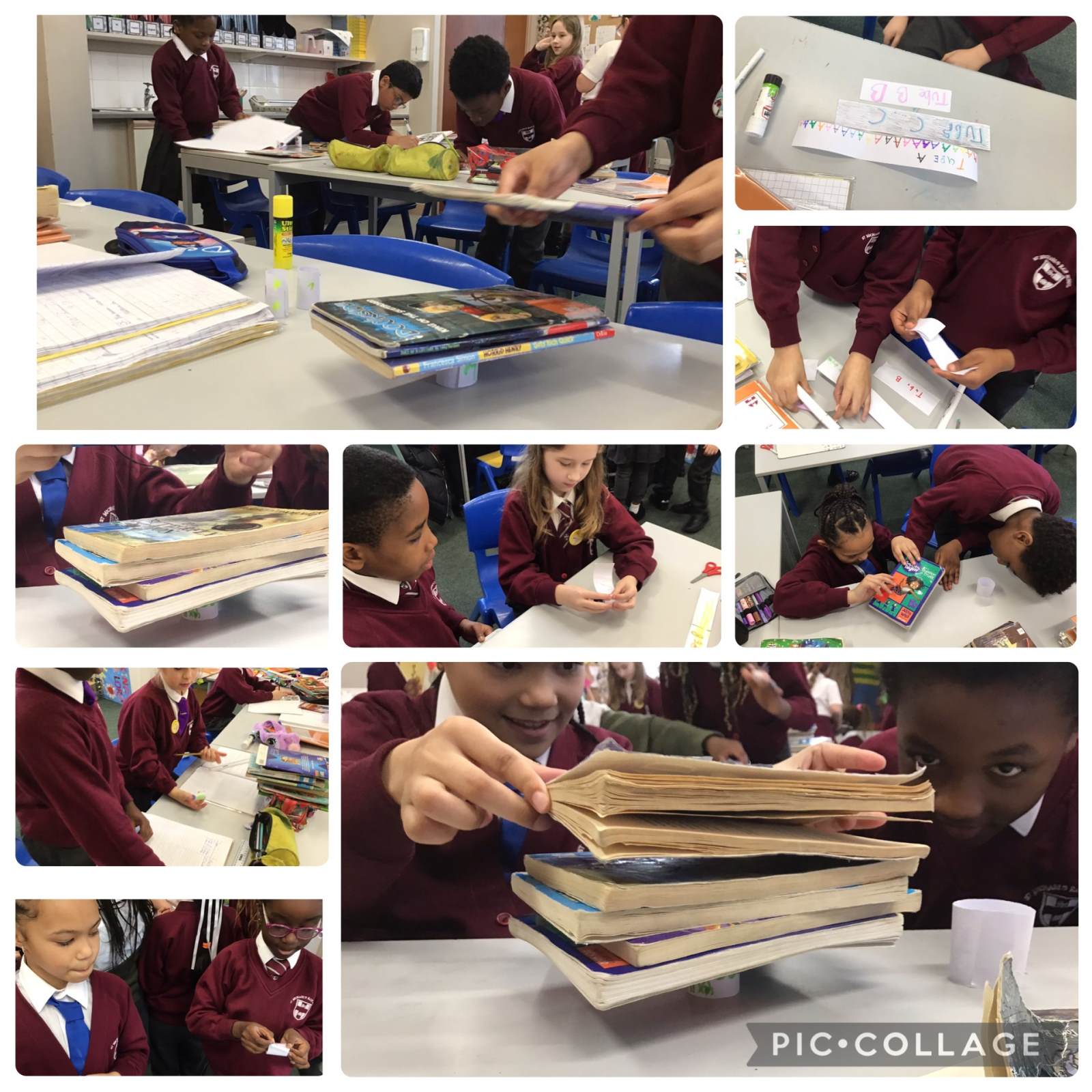
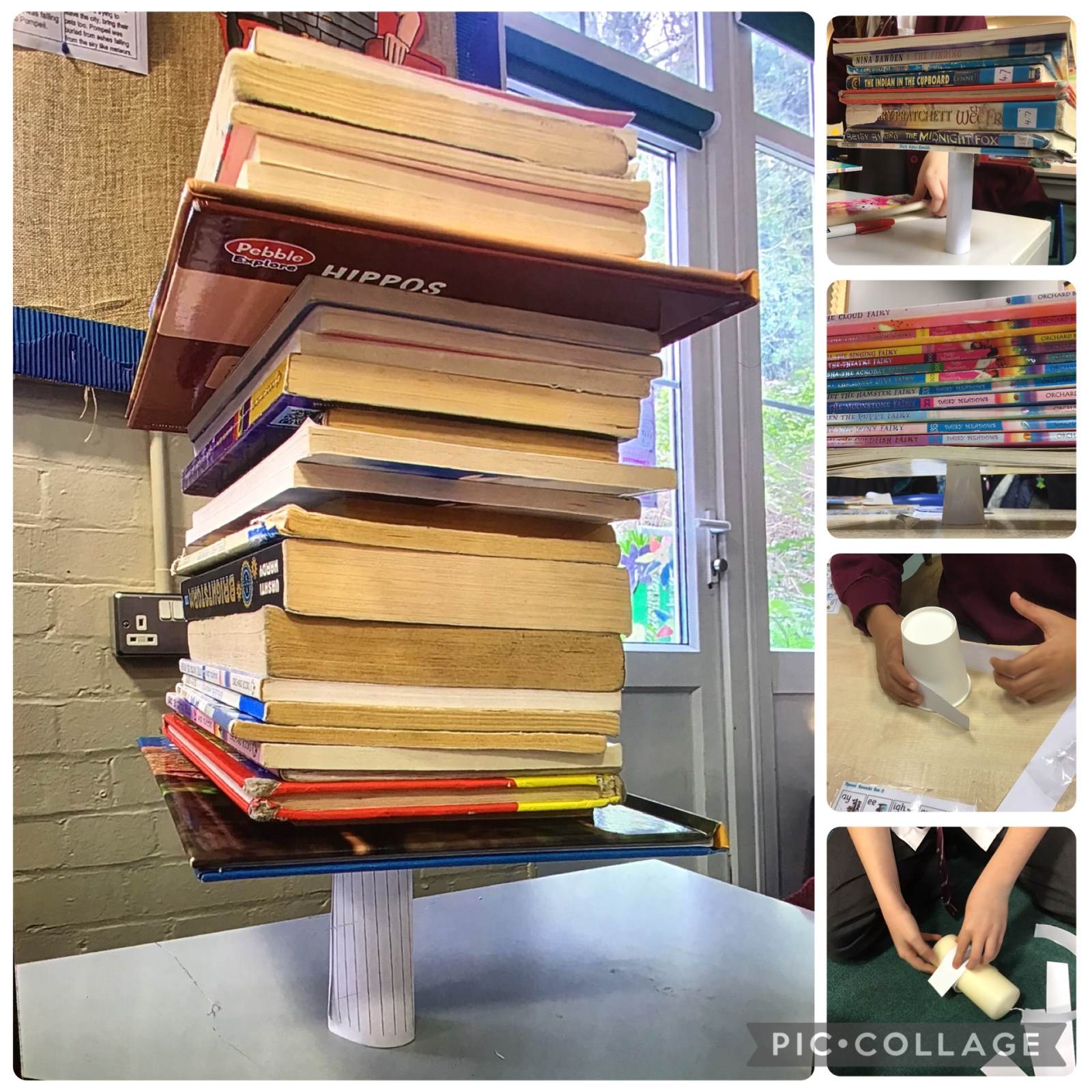
Year 3 and Year 4 took part in an exciting investigation exploring the strength of vertebrate backbones by testing how shape, size and thickness can affect strength.
The children began by discussing their ideas and making predictions about which shapes and structures would be the strongest. They then designed their own “backbones” by rolling and shaping paper into different tubes and structures.
Working in groups, the children tested how many books their structures could hold before collapsing. There was lots of excitement as they compared results and looked for patterns in their findings.
The children made some brilliant observations:
-
Thicker tubes were stronger and able to hold more weight
-
Shorter tubes held more than taller ones
-
Some were surprised to find that triangular shapes were not as strong as they had predicted
Through this investigation, the children developed a range of important scientific skills, including:
-
Making predictions based on prior knowledge
-
Setting up comparative tests
-
Observing and measuring outcomes
-
Identifying patterns in results
-
Discussing and explaining findings
The enquiry type used in this activity was comparative and fair testing, as the children explored how changing the shape, size and thickness affected the strength of their structures.
It was fantastic to see the children thinking like engineers and scientists, working collaboratively and learning from both expected and surprising results!
🦴👩🔬🌟
🥕👩🔬🌟 Can you make a carrot float? 🌟👩🔬🥕
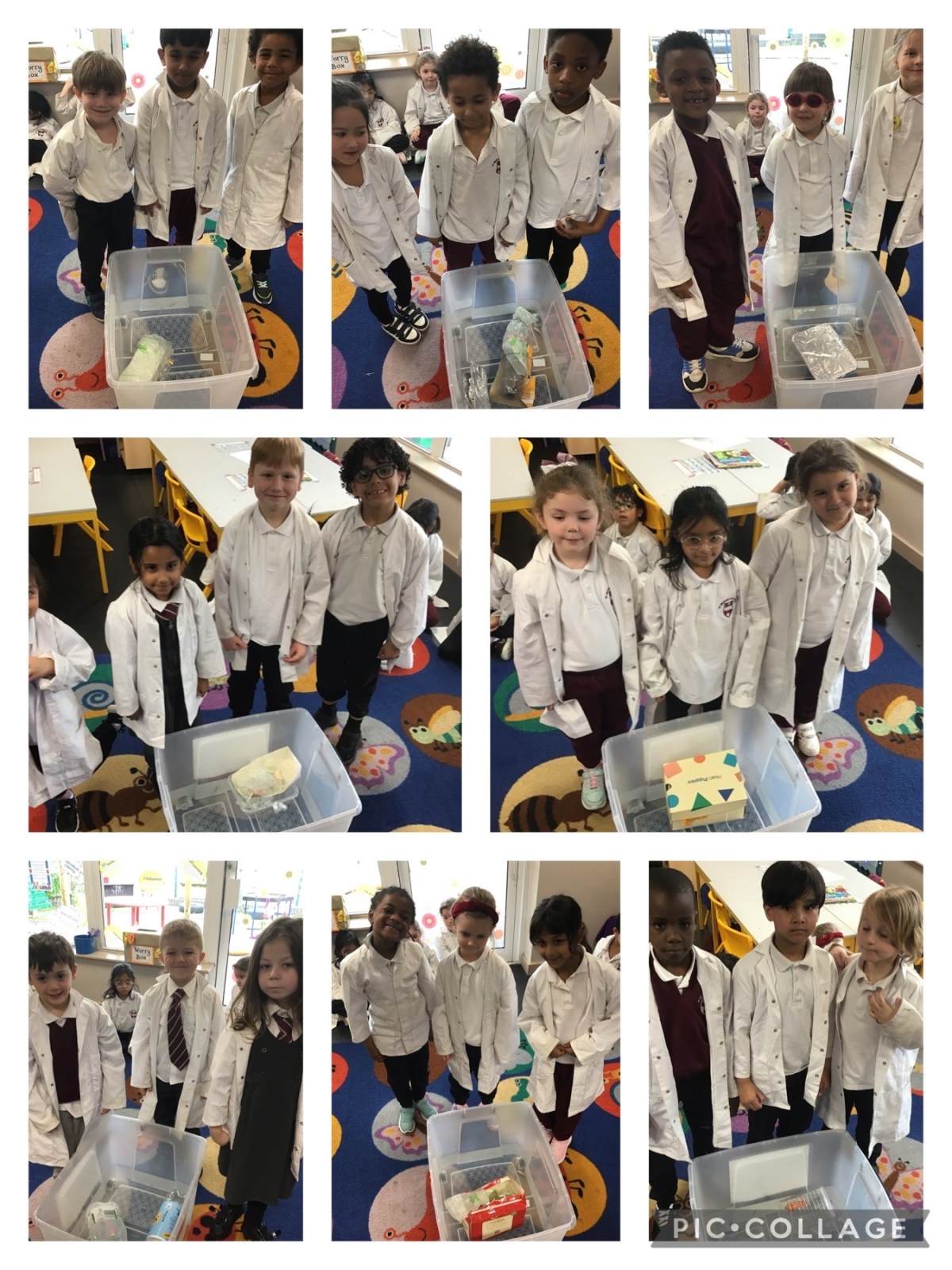
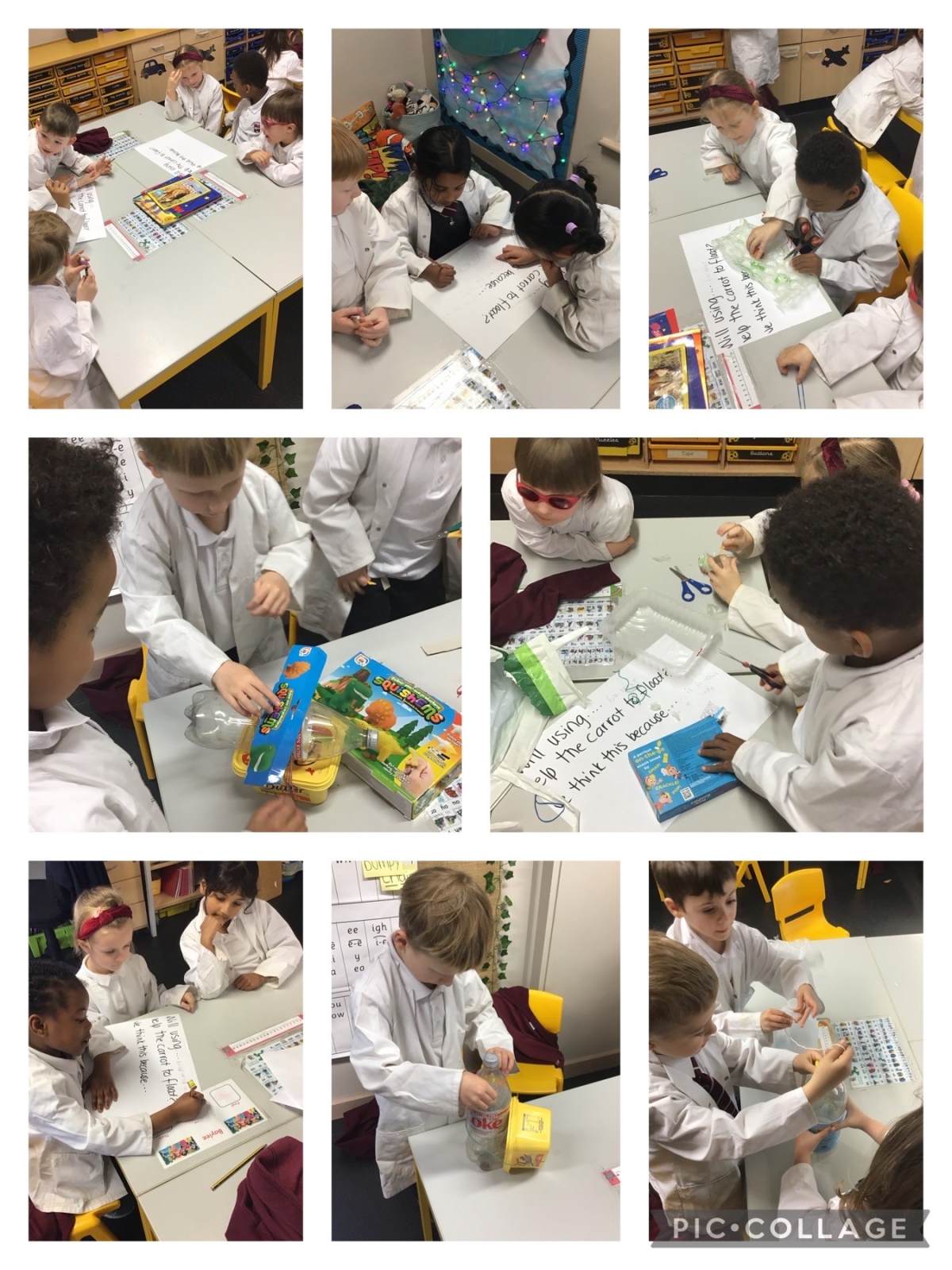
As part of our science learning, Year 1 and Year 2 took on an exciting floating and sinking challenge – to make a carrot float!
The children began by sharing their ideas and discussing what might help the carrot stay afloat. They created a list of possible materials and then carefully created their designs, showing how they planned to solve the problem.
Once their plans were complete, the children worked in teams to build their designs and test them in water. There was lots of excitement as they observed what happened and made adjustments where needed. We were incredibly proud that every group successfully found a way to make their carrot float!
Through this activity, the children developed a range of important scientific skills, including:
-
Asking questions and making predictions
-
Planning and setting up tests
-
Observing and testing ideas
-
Working collaboratively and sharing ideas
-
Evaluating and improving their designs
The enquiry type used in this activity was comparative and fair testing, as the children explored which materials and designs worked best to help their carrot float.
It was a fantastic opportunity for the children to think like scientists, work as a team, and learn through hands-on investigation.
🥕👩🔬🌟
#teamwork
 🌸 EYFS Explore Colour with Chromatography 🌈
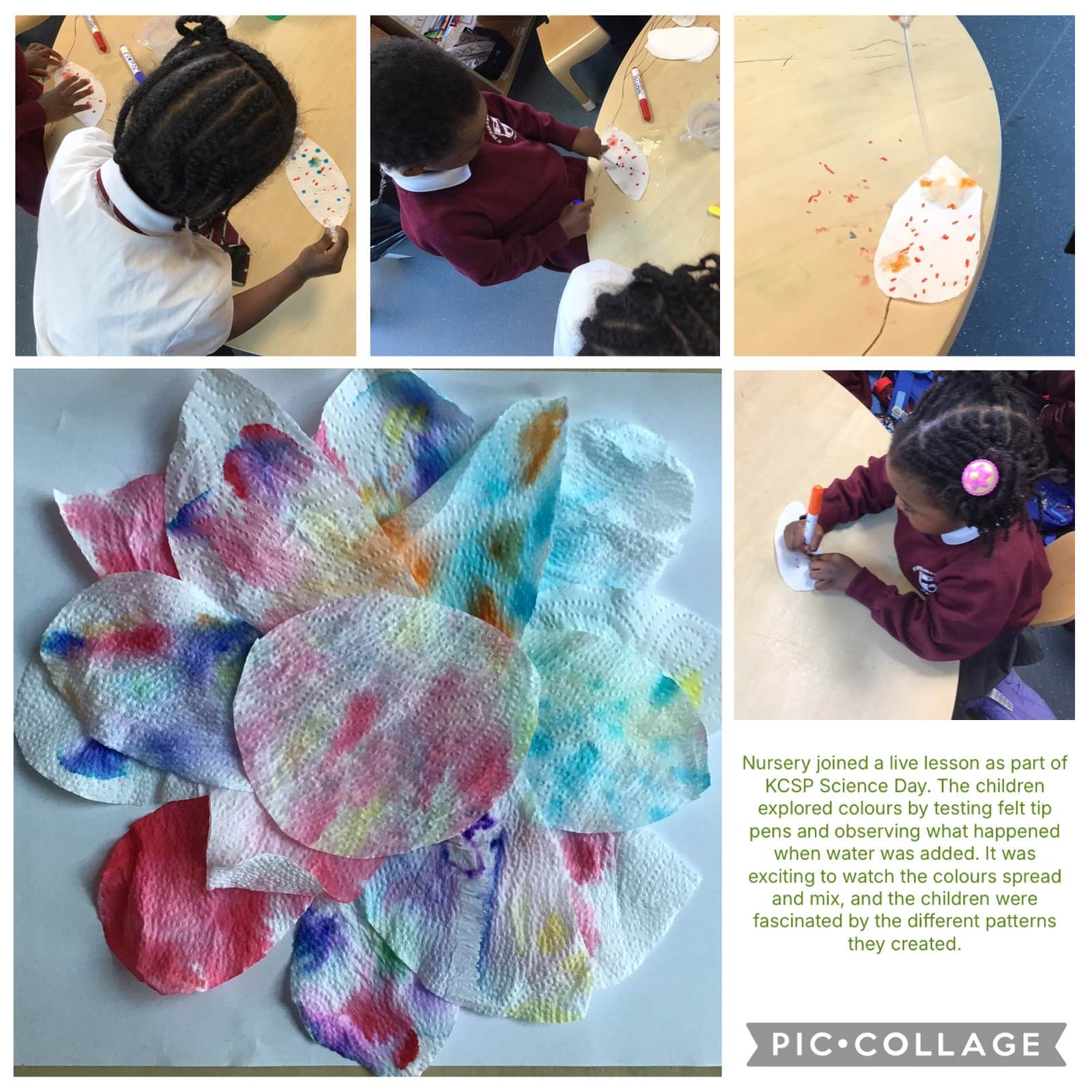
As part of our Online Science Day, our Reception and Nursery children took part in a fascinating investigation using chromatography to explore the colours hidden inside their pens.
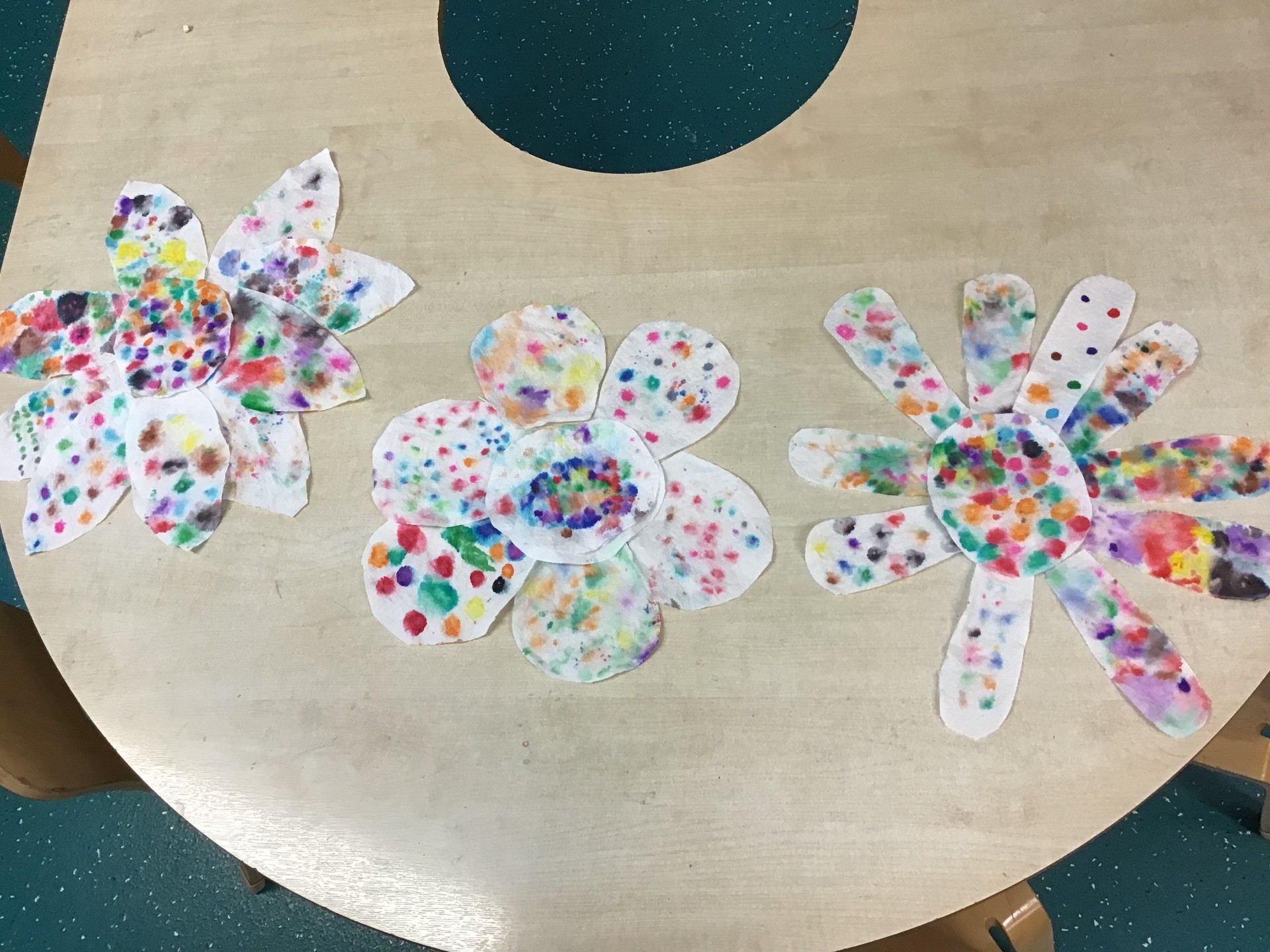
The children created petal shapes using kitchen roll and coloured them with felt tip pens. They then carefully dripped water onto their petals and watched in amazement as the colours began to spread and separate. Many noticed that it looked like the colours were “reversing colour mixing” – revealing the hidden shades within the ink.
As the water was absorbed into the kitchen roll, it carried the ink with it, causing the colours to spread outwards at different speeds and create beautiful patterns. The children then used their finished pieces to make bright and eye-catching flowers.
This activity supported a range of important scientific skills, including:
-
Observing closely how the colours changed and moved
-
Noticing patterns in how the colours separated
-
Asking questions about what was happening
-
Communicating their ideas by describing what they could see
The enquiry type used in this activity was observing over time, as the children watched the gradual changes as the water spread through the paper.
It was wonderful to see the children so engaged and curious, combining creativity with science to produce such fantastic results!
Year 6 have been exploring Darwin’s theory of evolution and natural selection.
Focusing on the finches Darwin observed in the Galapagos Islands, the children investigated how different beak shapes are suited to different types of food in their environment.
They took part in a hands-on modelling activity, testing how finches with various beak types could access seeds, nuts, and other “food” items. This allowed them to see how traits that help animals survive become more common over time.
The lesson involved a range of scientific enquiry skills, including:
-
Observing and recording how different beaks performed with different foods
-
Comparing and contrasting outcomes to identify which beak types were most effective
-
Pattern seeking to understand the relationship between traits and survival
-
Discussing and explaining their conclusions based on evidence
The children gained a practical understanding of natural selection and the idea that animals adapt to their environments over generations.
Year 5 have been investigating evaporation and the separation of substances.
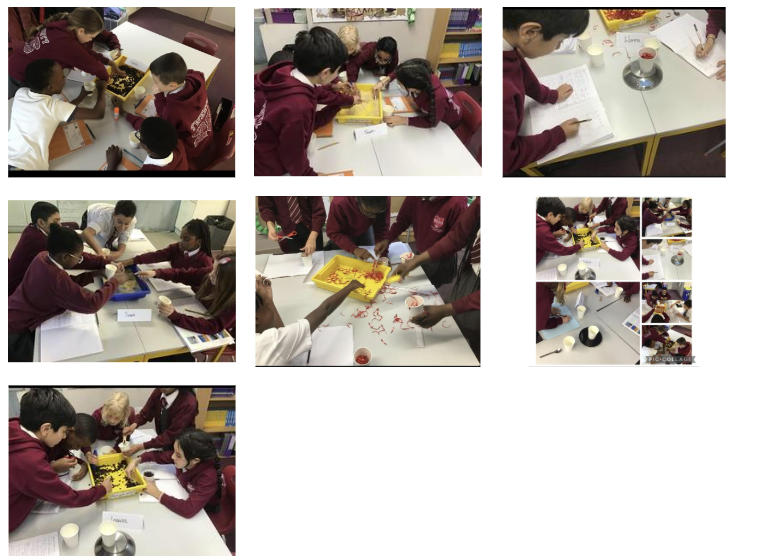
Using resources borrowed from St. John Fisher, the children made lemonade and then observed how the sugar separated from the liquid over time.
The activity involved a variety of scientific enquiry skills, including:
-
Observing changes over time as the sugar dissolved and then began to separate
-
Recording results to track what happened to the ingredients
-
Asking questions and making predictions about the effects of evaporation
-
Discussing scientific ideas such as how liquids can change state and how mixtures can separate
Through this hands-on investigation, the children developed a practical understanding of evaporation and how scientists study changes in materials.

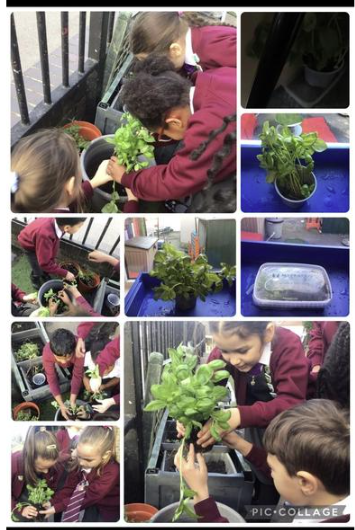
Each group chose one variable to investigate—space, soil, light, or water—and monitored how it influenced their plants over time.
This activity encouraged a wide range of scientific enquiry skills, including:
-
Planning and setting up a fair test by changing only one variable at a time
-
Observing changes over time to see how each factor affected plant growth
-
Recording and comparing results using charts or notes
-
Making predictions and drawing conclusions about what plants need to grow well
The children loved being young scientists and discovered for themselves the important role of water, light, soil, and space in helping plants thrive.
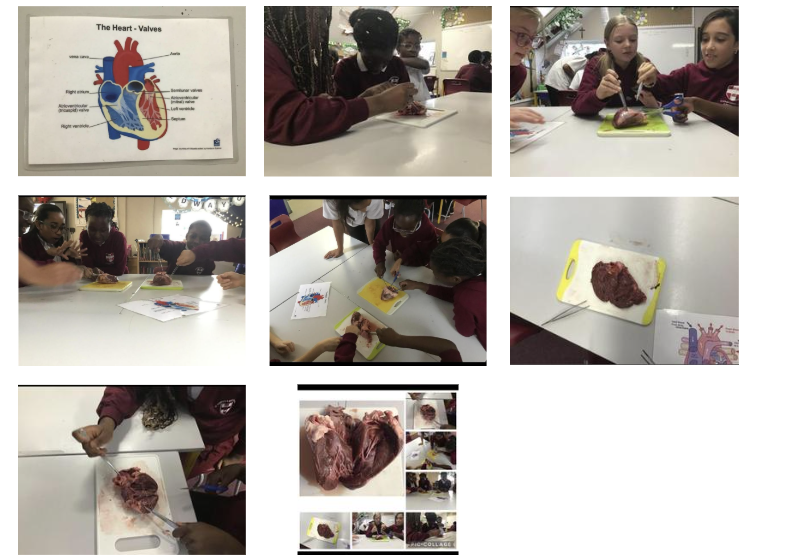
Year 6 have been exploring the human circulatory system through a heart dissection.
The children carefully examined a real heart to identify its chambers, valves, and major blood vessels, gaining a hands-on understanding of how blood flows through the body.
This activity developed a range of scientific enquiry skills, including:
-
Observing closely to notice the structure and features of the heart
-
Classifying and labeling different parts of the heart
-
Asking questions and discussing how each part functions
-
Comparing the heart’s structure to diagrams and models they had studied
Through this practical investigation, the children gained a deeper understanding of the structure and function of the heart and how it supports life.
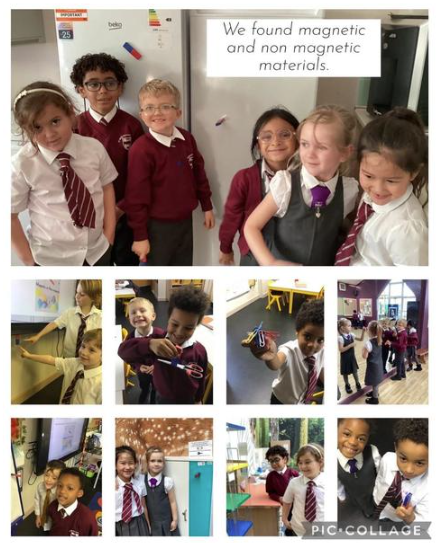
Armed with magnets, the children went on a scientific hunt around the classroom and playground, testing a variety of objects to see which were attracted to the magnet and which were not.
This activity involved a range of enquiry skills, including:
-
Observing closely to notice how different materials reacted
-
Classifying and sorting objects into magnetic and non-magnetic groups
-
Making predictions about what might happen before testing each item
-
Discussing and explaining their findings with their peers
The children were excited to see the different results and enjoyed investigating the science all around their school environment!
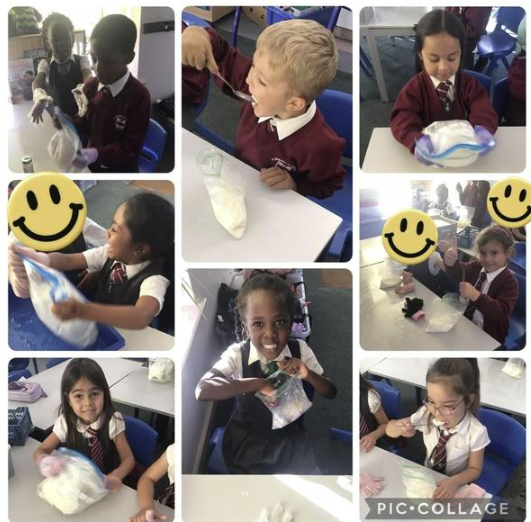
KS1 have been thoroughly enjoying their Science Club sessions!
This week, the children became real scientists as they made their own ice cream. They explored how mixing salt with ice lowers the freezing point, making the ice even colder. This extra-cold mixture was then used to freeze their ingredients.
During the activity, pupils used a range of enquiry skills, including:
-
Observing changes over time as the liquid mixture slowly turned into ice cream
-
Exploring and comparing materials, noticing how ice and salt behave when combined
-
Asking questions and making predictions about what might happen to the ingredients
-
Using simple measurements, such as timing how long the freezing took
The children loved watching the transformation take place and were excited to taste the results of their scientific investigation!
Our Year 3 scientists have been busy exploring how light works!
Using enquiry skills such as asking questions and observing changes, they compared what they could see inside a dark box and what happened when light was added. They concluded that light is essential for seeing and that darkness is simply the absence of light.
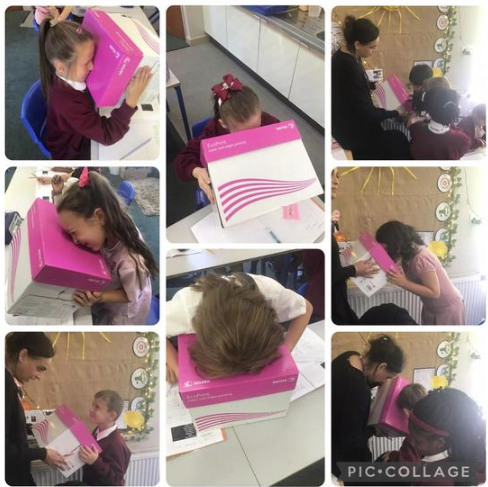
Reception had so much fun exploring colour mixing!
Through exploration and observing closely, children experimented with paints to discover what happens when colours come together. This hands-on enquiry helped them build early scientific thinking, make predictions, and talk about the changes they could see.
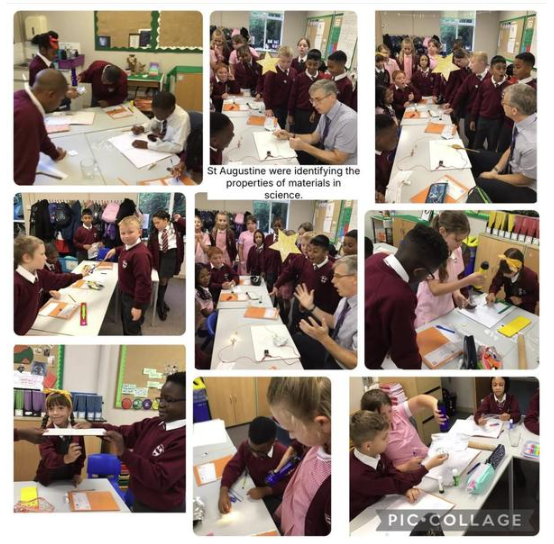
Year 5 St. Augustine class have been busy investigating the properties of different materials.
Using enquiry skills such as comparative testing and classifying, they explored how materials behave and what makes each one unique.
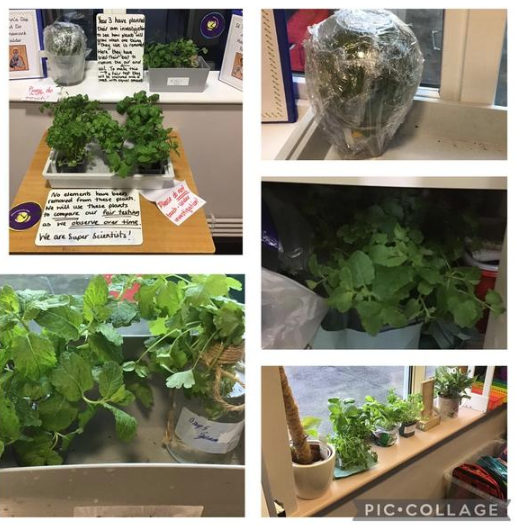
🌱🔬 Year 3 Students Become Junior Scientists! 🔬🌱
This week, our Year 3 students have been diving deep into the world of plant science by planning and conducting their very own investigations! 🌿💡 They’ve been exploring the question: What happens when one element that a plant needs to survive is removed?
After researching and discussing the essential elements plants need – like water, light, air, and soil – the children carefully designed their own experiments to test how removing one of these factors affects plant growth. 🌞💧
Each investigation has been thoughtfully planned, and the students have set up their experiments to observe over time. They can’t wait to see the results as they monitor their plants’ growth and draw conclusions! 🌱📊
What a fantastic way for our budding scientists to apply their knowledge and learn through hands-on exploration! Stay tuned for updates on their findings! 🌿🔍
#Year3Science #YoungScientists #PlantExperiments #LearningThroughExploration #STEM #GrowingCuriosity 🌱✨
🌞🔍 Year 3 Scientists at Work! 🔍🌞
Our young explorers have been diving into the fascinating world of shadows! 🕵️♂️✨ The children used their scientific skills to investigate how shadows change size when the light source is moved closer.
They began by setting up their experiments with various objects and a flashlight, observing the differences as they adjusted the distance. 📏💡 The excitement was contagious as they recorded their findings in different ways: drawing charts, taking photographs, and even writing descriptive notes! 📊📸📝
The students discovered a clear pattern: as the light got closer, shadows grew larger! 🌟 They worked collaboratively, sharing ideas and asking questions, and it was amazing to see their curiosity in action.
What a wonderful way to learn about light, shadows, and the scientific process! Great job, Year 3! 👏💚 #Year3Science #Shadows #STEMLearning #CuriosityInAction
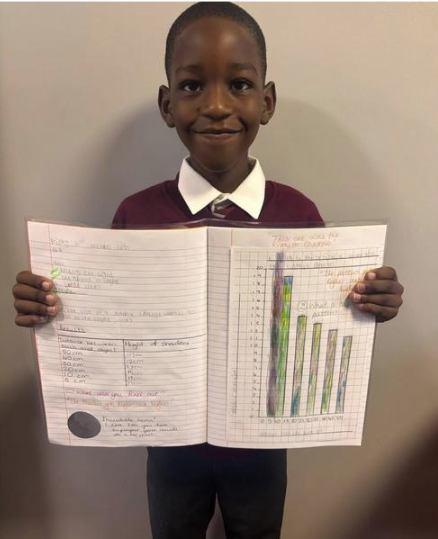
Our Year 3 scientists have been exploring how shadows change.
They measured shadow lengths, recorded their results using bar graphs and used pattern seeking enquiry to look for relationships in their data.
St. Michael’s Space Competition: A Stellar Effort!
The children of St. Michael's were given a special challenge: to participate in the Space Competition, which encouraged them to explore the wonders of space from the comfort of their homes. We were absolutely overwhelmed by the number of entries, and we are incredibly proud of each student for their hard work and dedication.
- Research Skills: The students tapped into their curiosity about space, conducting research to gather interesting facts and ideas. They explored topics like planets, stars, space travel, and even alien life, using books, websites, and other resources to help them understand more about the universe.
- Creativity: With their research in hand, the children used their creativity to bring their ideas to life. Whether they created space-themed models, artwork, posters, or even stories, each entry reflected the students' imagination and passion for space.
Well Deserved Praise:
The amount of effort and enthusiasm shown by the students and parents was truly inspiring. Each entry was a unique representation of their individual ideas and interests. It's clear that the students worked diligently, and we want to commend them all for their outstanding effort. They should be incredibly proud of themselves for taking part and showing such enthusiasm for the subject.
A Huge Congratulations:
Thank you to everyone who participated! Whether they won or not, each student demonstrated a love of learning and creativity that we can all be proud of. Keep up the great work, and keep exploring the universe—who knows what amazing ideas will come next!
Duggie Dug Dug Inspires St. Michael’s with Faith and Wonder through Science!
We were thrilled to welcome Duggie Dug Dug to St. Michael's RC Primary School and Nursery for a truly unique and inspiring session that brought together Religious Education and Science. Duggie's engaging presentation showed our students how small acts—like seeds planted with kindness and faith—can grow into something extraordinary. Using the wonders of science, he demonstrated how even the smallest actions, when rooted in love and care, can have a big impact, much like how faith can inspire greatness in the world around us.
Through fun and interactive activities, Duggie helped our children see the link between scientific discovery and the values of love, compassion, and wonder that we cherish in RE. It was an unforgettable experience that sparked curiosity, deepened faith, and encouraged our pupils to dream big and make a positive difference.

